
Spider Box Projects: Shelly EM Remote Monitoring
Part Documented: Shelly EM Remote Monitoring
|
Disclaimer: This requires modifying parts of the spiderbox's electrical system. Do not attempt without previous electrical knowledge and experience. Have an experienced electrician check your work.
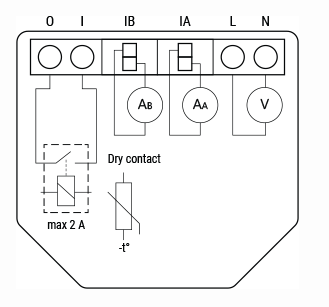
This idea stems from a previous proposal to add monitoring to a larger 3-phase distribution unit for Burning Man. Shelly Modules are affordable, easy to install, and maintain. Materials Used:1x Shelly Gen3 EM 50a 1x Shelly 50a Current Transformer 10x Various Wago connectors [2x and 3x] 1x Spool of 12awg wire, two colors
Tools Needed:1x Collection of various Electrical Tools including a pair of wire strippers 1x Hot glue gun with glue sticks 1x (optional) label maker <Image of Tool> Example: 1x Ferrule Crimp (I cheat and use a more affordable Forged Wire Crimper, Klein Tools 2005N)
|
|

How to Build:
Besure to reference any warnings here
Step One: Gather Materials
- Shelly EM Gen3 50a -> Couple of core reasons for picking this product:
- It matches the amperage rating of the spider box [240 @ 50a]
- Can Monitor Two Phases
- Stores up to 10 days of data logging locally onboard the device [aka no server needed]
- Includes a dry contact for additional features
Step Two: <Start the Build Guide>
<a description of the step of the process>
| Steps Should include Photos <IMAGE> |
And be broken up into no more then
<IMAGE> |
Three images and escriptions. <IMAGE> |
EXAMPLE: Step Three: Create the Locking Loop
Slide the Ferrule down the other side of the wire and create a loop just slightly bigger than the large end of the L5 Adapter, leaving about 3/4" excess through the Ferrule. Crimp the cable, and you're done!
| Slide the Wires through the Ferrule and around the Adapter, being tight enough that they can't slide through, but loose enough that the adapter can move freely. <IMAGE> |
Using my non-dominant hand, I pinch both wires below the Ferrule to hold it in place.
<IMAGE> |
Using your Crimp tool, crimp 1/4th of the Ferrule on the edge. Once the first crimp is done, you can let go of pinching the end and move the ferrule around as needed for effective crimping <IMAGE> |
Step Four: Optional Features:
List your optional Features: list one option part and its additional information here as the last step.
No Comments